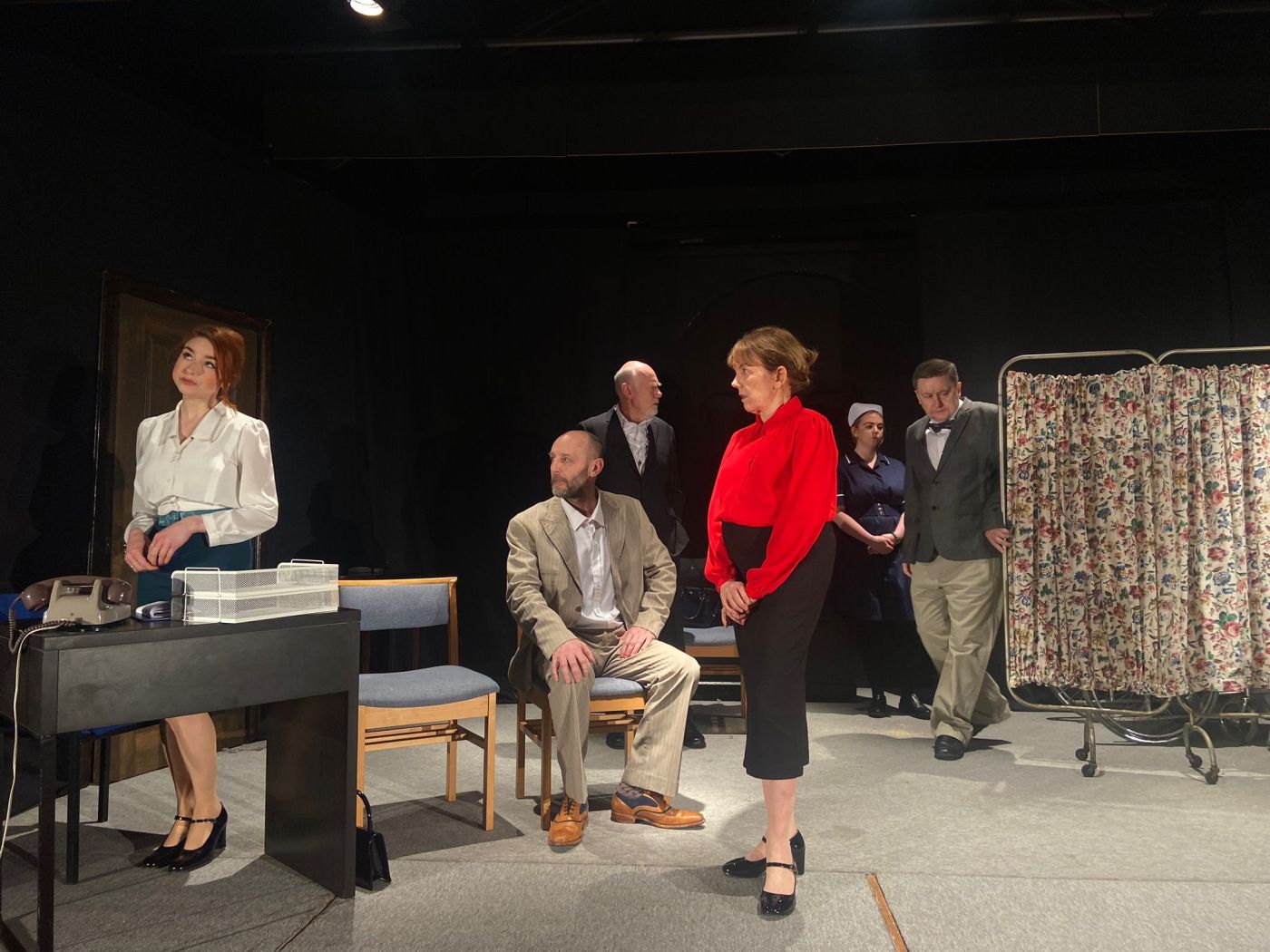
It’s been a busy couple of months at RADS so apologies for our absence! This month, guest blogger Neil Cragg is back with a bang with a fun post about the ways in which amateur drama can often outshine professional theatre.
Think professional plays are better than shows put on by companies such as RADS? Well, maybe not!
1. Cheaper tickets
Last year, the average top price professional theatre ticket outside of the West End cost £49.19, with the average cheapest ticket outside of the metropolis coming in at £21.27 (The Stage Ticketing Survey 2023). However, the average highest priced ticket for a show in the West End would have cost you an eye watering £141.37!
In contrast, amateurs can afford to charge much less. For example, performing rights fees are frequently lower for amateur companies who can pass these savings on to their audiences in keener ticket prices.
By comparison, tickets for RADS shows are currently £10 with further concessions available. Tickets for the recent annual dinner theatre production did cost a little more, at £12 for the Saturday performance, but this included a hot meal, dessert, a glass of wine and a double bill of Agatha Christie plays!

2. Fuller houses
Community drama groups such as RADS that are long established in their communities can regularly play to fuller houses than unknown professional outfits, as amateur theatres often have smaller performance spaces, shorter runs and lower ticket prices. So if you like to enjoy your night out at the theatre in a relatively full venue, a trip to your local drama group’s latest offering might well be your best bet.
3. Greater community representation
Community theatre tends to stage plays with many more roles than professional companies, thereby offering greater opportunities for local residents to get involved in drama and get on stage.
Also, the amateur theatre movement has a long history of woman focused play writing. This involves plays specifically for all-women casts, including one-act plays by and for women, with non-stereotypical roles more often created than in traditional popular film and television.
Older performers feature more frequently on amateur stages than professional stages, very often playing characters significantly younger than themselves! This offers audiences a break from the relentless focus on younger performers in the modern professional entertainment world, particularly represented on TV.
In this way, seniors are able to contribute meaningfully to alternative presentations of a play, whilst for their part, audiences are offered an opportunity to see plays in a new light, that might otherwise be denied to them in professional settings.
4. Greater variety of plays
Amateur drama often tends to offer more traditional theatre offerings to audiences, the types of “old favourites” which are currently less in favour with professional companies, who, in part because they are unable to take advantage of lower performance fees, tend to focus on newer pieces of writing.
However, this does not mean that amateur drama only ever sticks to the tried and tested – far from it! For example, RADS’ next play is an original work, an exciting comedy drama written by local writer Nick Broadhead, who will also be directing and performing in his own play! Keep a keen eye on RADS website and Facebook pages over the following weeks for further details.
Once a certain type of professional play shows evidence of success, there is a tendency for the same type of play to be written again and again, with different but similar types of actors, often headlined by similar celebrities. This can lead to formulaic writing and tired storylines. In contrast, amateur drama companies can use local actors and also local playwrights (see above!) to put on shows that more powerfully resonate with their audiences.
5. Experience and enthusiasm
Commercial theatre currently has a trend for placing TV celebrities or former pop stars in touring drama productions. Whilst this can achieve its intended aim of improving box office takings, performances from such “stars” can be patchier than those of classically trained actors or indeed even skilful amateurs, who often have a wealth of experience performing a wide variety of plays.
Also, amateur actors don’t get on stage to pay the bills, but rather to showcase their creative skills and, well, for the sheer joy of performing. To put it bluntly, amateur performers can have greater energy, determination and motivation to put on the best possible show for their audiences.
So next time you’re considering a night out at the theatre, just remember that your best possible choice of venue might not be an expensive jaunt down to London or even a costly trip out into town to see a professional production, but literally just a few minutes walk round the corner … to your local amateur drama group …
What are your thoughts? It’d be great to hear your views on this topic, or indeed on any other drama related matter, so please do comment below.
Take care!
Neil

 Reformed Allerton Dramatic Society (RADS)
Leave a comment